


Meghalaya is known for its lush hills, living root bridges, waterfalls, and diverse tribal cultures. Beyond its natural beauty, the state has a fascinating artistic heritage shaped by Khasi, Garo, and Jaintia communities. Meghalaya Folk Art & Handicrafts reflects this cultural diversity through bamboo products, woven items, traditional ornaments, woodwork, and distinctive designs. Exploring these […]
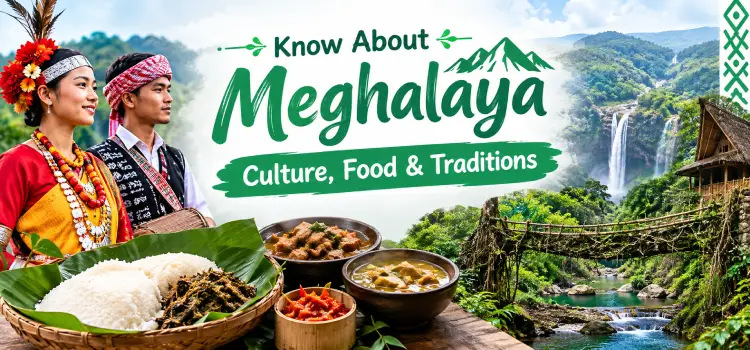
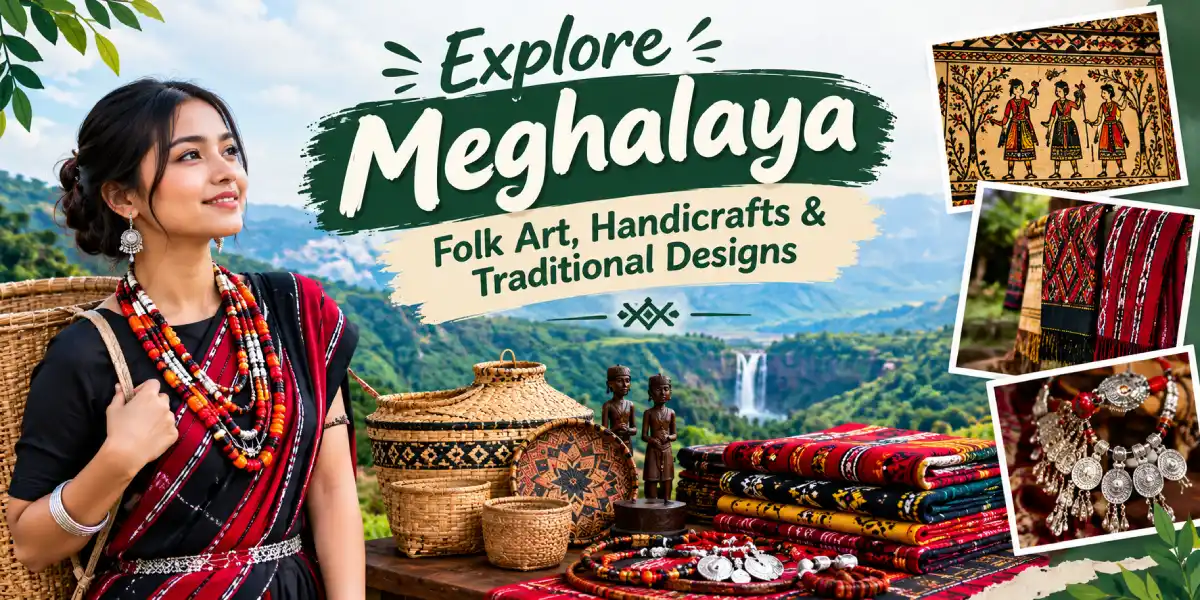
Meghalaya is known for its lush hills, living root bridges, waterfalls, and diverse tribal cultures. Beyond its natural beauty, the state has a fascinating artistic heritage shaped by Khasi, Garo, and Jaintia communities. Meghalaya Folk Art & Handicrafts reflects this cultural diversity through bamboo products, woven items, traditional ornaments, woodwork, and distinctive designs. Exploring these crafts gives travelers and culture enthusiasts an opportunity to understand the traditions, skills, and stories passed down through generations.
What Makes Meghalaya Folk Art Special?
Meghalaya’s artistic traditions are closely connected with everyday life, local materials, community customs, and the natural environment. Meghalaya folk art often uses materials that are readily available in the region, including bamboo, cane, wood, natural fibers, and locally sourced textiles.
The artistic styles can vary between communities and regions. Khasi, Garo, and Jaintia traditions each have their own patterns, techniques, objects, and cultural expressions.
Meghalaya Handicrafts and Their Cultural Importance
Meghalaya Folk Art & Handicrafts represents more than decorative creativity. Traditional crafts can reflect local lifestyles, practical needs, community identity, and knowledge of natural resources.
Many handmade products are created for household use, agriculture, storage, clothing, ceremonies, and decoration. The craftsmanship involved also demonstrates how traditional knowledge can be preserved through hands-on learning and community practices.
Meghalaya Bamboo Handicrafts
Bamboo is one of the most important materials used in traditional crafts across Meghalaya. Skilled artisans transform bamboo and cane into baskets, mats, containers, furniture, decorative pieces, and other useful products.
The popularity of Meghalaya bamboo handicrafts comes from their combination of functionality and traditional craftsmanship. For visitors, these products can also provide a meaningful way to appreciate local skills and take home a piece of regional culture.
Khasi Traditional Art and Crafts
Khasi communities have a distinctive cultural heritage that can be seen in traditional weaving, bamboo and cane work, ornaments, and other handmade products. Khasi traditional art is closely connected with the community’s lifestyle and cultural practices.
Traditional designs may feature geometric patterns, natural influences, and locally recognized motifs. Handmade objects can vary from practical household products to decorative and ceremonial items.
Garo Traditional Art
Garo communities also contribute significantly to the artistic heritage of Meghalaya. Garo traditional art can be seen through weaving, textile patterns, bamboo work, ornaments, and other forms of handmade craftsmanship.
Traditional textiles are particularly important because patterns and designs can carry cultural meaning. Learning about these crafts can help visitors understand the relationship between artistic expression, identity, and community traditions.
Jaintia Traditional Crafts
The Jaintia community has its own distinctive cultural and artistic traditions. Jaintia traditional crafts include various forms of weaving, bamboo and cane work, and handmade items connected with everyday life and cultural practices.
These traditions demonstrate the diversity found within Meghalaya. Although the communities share the same state, their artistic styles and cultural expressions can differ in interesting ways.
Traditional Designs Found in Meghalaya
Meghalaya traditional designs often draw inspiration from nature, local surroundings, community traditions, and geometric forms. Patterns can appear on textiles, baskets, decorative objects, accessories, and other handmade products.
The designs are not simply visual decorations. In many cases, they represent cultural knowledge and techniques that have been passed from one generation to another.
Textiles and Weaving
Weaving is an important part of traditional craftsmanship in Meghalaya. Artisans create textiles featuring carefully developed patterns, colors, and designs.
Visitors interested in cultural tourism can explore local markets and craft centers to discover traditional fabrics and handmade products. These experiences can provide a closer look at the techniques behind Meghalaya’s textile heritage.
Bamboo and Cane Products
Bamboo and cane are widely used for making functional and decorative products. Baskets, mats, containers, furniture, and other objects demonstrate how natural materials can be transformed through skilled craftsmanship.
This aspect of Meghalaya Folk Art & Handicrafts also highlights the practical relationship between local communities and their surrounding environment.
Meghalaya Traditional Art and Tribal Heritage
Meghalaya traditional art is strongly influenced by the state’s tribal heritage. The Khasi, Garo, and Jaintia communities have maintained different forms of craftsmanship that contribute to Meghalaya’s broader cultural identity.
Meghalaya tribal art can include textiles, ornaments, bamboo products, woodwork, and other handmade objects. Studying these traditions can help students, travelers, and art enthusiasts understand the cultural diversity of Northeast India.
Where Can Travelers Experience Meghalaya’s Crafts?
Travelers can explore local markets, handicraft outlets, cultural events, and artisan communities to see traditional products. Shillong and other parts of Meghalaya offer opportunities to discover locally made textiles, bamboo products, baskets, accessories, and decorative crafts.
When purchasing handmade products, visitors can ask about the material, production technique, and community behind the item. Supporting genuine artisans can also contribute to the continued visibility of traditional craftsmanship.
Why Meghalaya Folk Art Matters Today
Modern lifestyles have changed the way traditional crafts are produced and used, but handmade traditions continue to hold cultural value. Meghalaya Folk Art & Handicrafts provides a connection between contemporary visitors and the artistic knowledge of earlier generations.
Crafts can also create opportunities for local artisans and encourage younger generations to learn traditional techniques. Responsible cultural tourism can help increase appreciation for these traditions while respecting the communities that preserve them.
How to Appreciate Meghalaya’s Traditional Crafts Responsibly
Visitors should treat traditional art as cultural heritage rather than simply souvenirs. Learning about the background of a craft can make the experience more meaningful.
Buying directly from artisans or reputable local craft outlets can help support craftsmanship. Travelers should also avoid purchasing products made from protected wildlife or restricted natural materials and should respect local customs when visiting artisan communities.
Final Thoughts
Meghalaya Folk Art & Handicrafts offers a fascinating view of the state’s cultural diversity, creativity, and traditional knowledge. From bamboo and cane products to textiles, ornaments, and community-specific designs, every craft reflects a relationship between people, culture, and the natural environment.
Exploring Meghalaya Folk Art & Handicrafts can make a trip more meaningful for travelers and provide students and art enthusiasts with a deeper understanding of Northeast India’s heritage. The traditions of Khasi, Garo, and Jaintia communities show how craftsmanship can preserve identity while continuing to evolve with changing times.